Two Simple Fitness Truths That Can Transform Your Midlife Health
When life feels busy, overwhelming, or unpredictable, fitness becomes one of the most powerful tools you have to reclaim your energy, protect your health, and empower your future. The workouts that create the greatest transformation aren’t necessarily the longest or hardest – they’re the ones built on smart strategies and consistency.
The truth is, life doesn’t slow down in midlife. In fact, it seems to get busier! Between careers, family responsibilities, aging parents, relationships, and the endless demands on your time, it can feel like you’re constantly putting yourself last. When life feels busy, overwhelming, or unpredictable, it’s easy to let your health slip to the bottom of the priority list.
The key is to make sure fitness isn’t another item on your to-do list. It’s one of the most powerful tools you have to reclaim your energy, protect your health, and create the future you want. If your goals include feeling stronger, having more confidence, maintaining your independence, or simply having enough energy to enjoy life, your fitness routine should support those goals.
As a fitness coach, I’ve worked with countless women navigating perimenopause and menopause, and I’ve discovered that the workouts producing the greatest transformations aren’t necessarily the longest, hardest, or most intense. They’re built on smart strategies, consistency, and sustainability.
In fact, two of the simplest fitness principles are also two of the most misunderstood.
Fitness Fact #1: Strength Training Deserves the Starring Role
For many women, cardio has been the default form of exercise for decades. While walking, cycling, and other cardiovascular activities absolutely have their place, they shouldn’t be the foundation of your entire fitness plan, especially during midlife.
As estrogen levels decline during perimenopause and menopause, maintaining muscle becomes more challenging. At the same time, muscle becomes even more important. Strong muscles support healthy bones, improve balance, increase metabolism, enhance daily function, and help preserve independence as you age.
This is where resistance training becomes your greatest ally.
The goal isn’t to spend hours in the gym. The goal is to train with purpose.
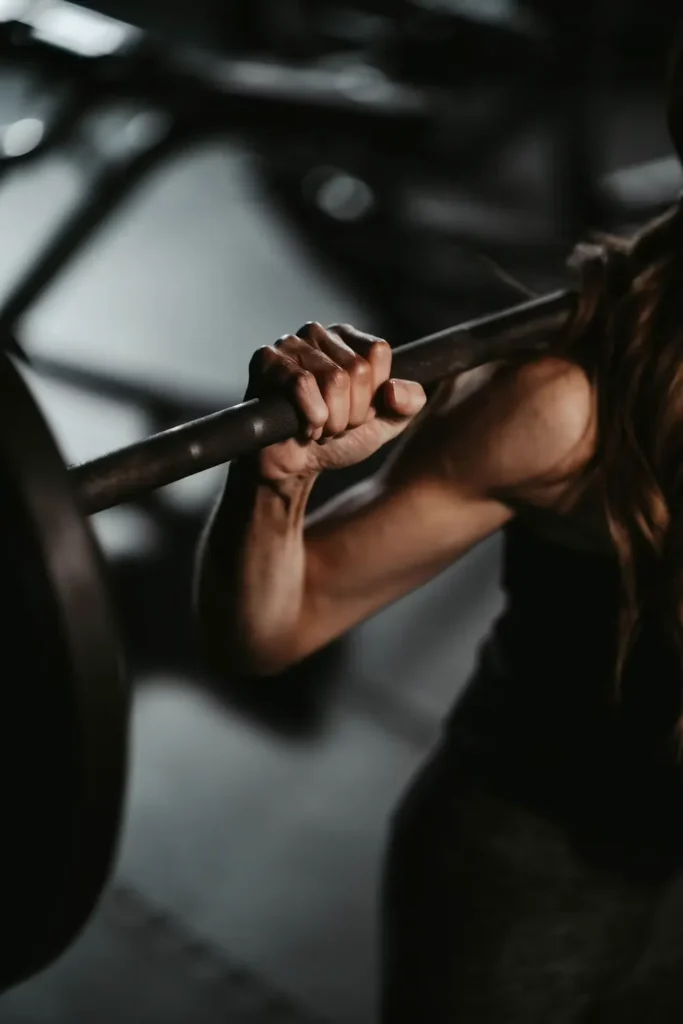
Two to three progressive strength training sessions each week can provide tremendous benefits. Progressive simply means gradually challenging your muscles over time by increasing resistance, repetitions, or difficulty as your body adapts.
Too often, women think they need to exercise harder to see results. The reality is that they usually need to exercise smarter.
As a fitness coach, I often remind clients that your workouts should match your goals. If your goals include building strength, improving bone health, increasing energy, or creating a leaner physique, resistance training deserves to be a regular component of your weekly routine, not an occasional add-on.
Fitness Fact #2: Recovery Is Part of the Plan
Here’s another misconception that keeps many women stuck: believing that more exercise automatically leads to better results.
It doesn’t.
Your body doesn’t become stronger during your workout. It becomes stronger while it recovers from your workout.
Exercise creates the stimulus. Recovery allows your body to adapt.
Without adequate recovery, fatigue accumulates, progress slows, motivation decreases, and injuries become more likely. Many women mistakenly believe they’re not seeing results because they aren’t doing enough, when in reality they may not be recovering enough.
Quality recovery includes taking planned rest days, stretching or incorporating mobility work daily, managing stress, staying hydrated, eating enough protein to support muscle repair, and prioritizing at least seven hours of sleep every 24-hour period.
These habits may not feel as productive as another workout, but they’re often the missing piece that allows your body to respond to training.
One of the biggest shifts I encourage as a fitness coach is helping women stop measuring success by exhaustion. Feeling completely depleted after every workout isn’t a badge of honor. Sustainable progress comes from balancing challenge with recovery so you can continue showing up week after week.
Build Fitness Around Your Goals
If your goals are long-term vitality, confidence, strength, and independence, your fitness plan should reflect those priorities. You don’t need to chase every workout trend or spend countless hours exercising. You need a strategy that’s designed for your body, your lifestyle, and your season of life.
As a fitness coach, my mission is to help women replace confusion with clarity and overwhelm with confidence. By focusing on strength training, honoring recovery, and creating realistic habits, you’ll build a routine that supports your health for years to come.
Remember, the goal isn’t to stack workout after workout hoping for faster results. The goal is to train consistently, recover intentionally, and continue progressing. Strong women don’t just train hard—they recover smart. And that’s how lasting results are built in midlife.
To schedule a free fitness coaching consult, click here